Cab Calloway sings with the sheet music in hand, 1947
Cab Calloway
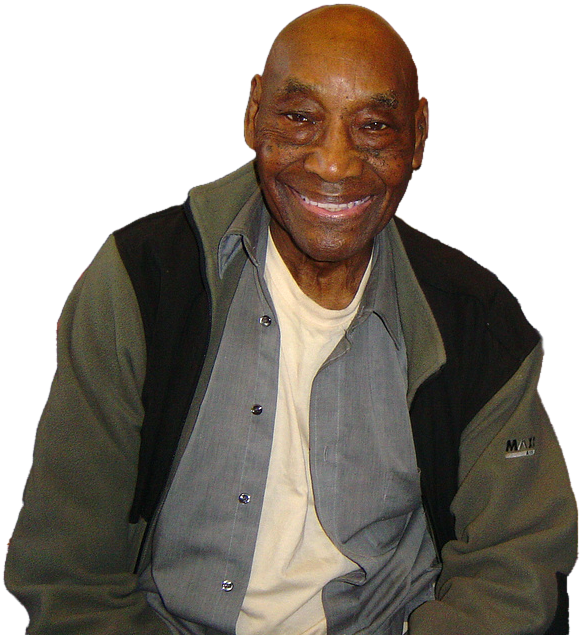
Ella Fitzgerald smiles, New York, 1946
Ella Fitzgerald
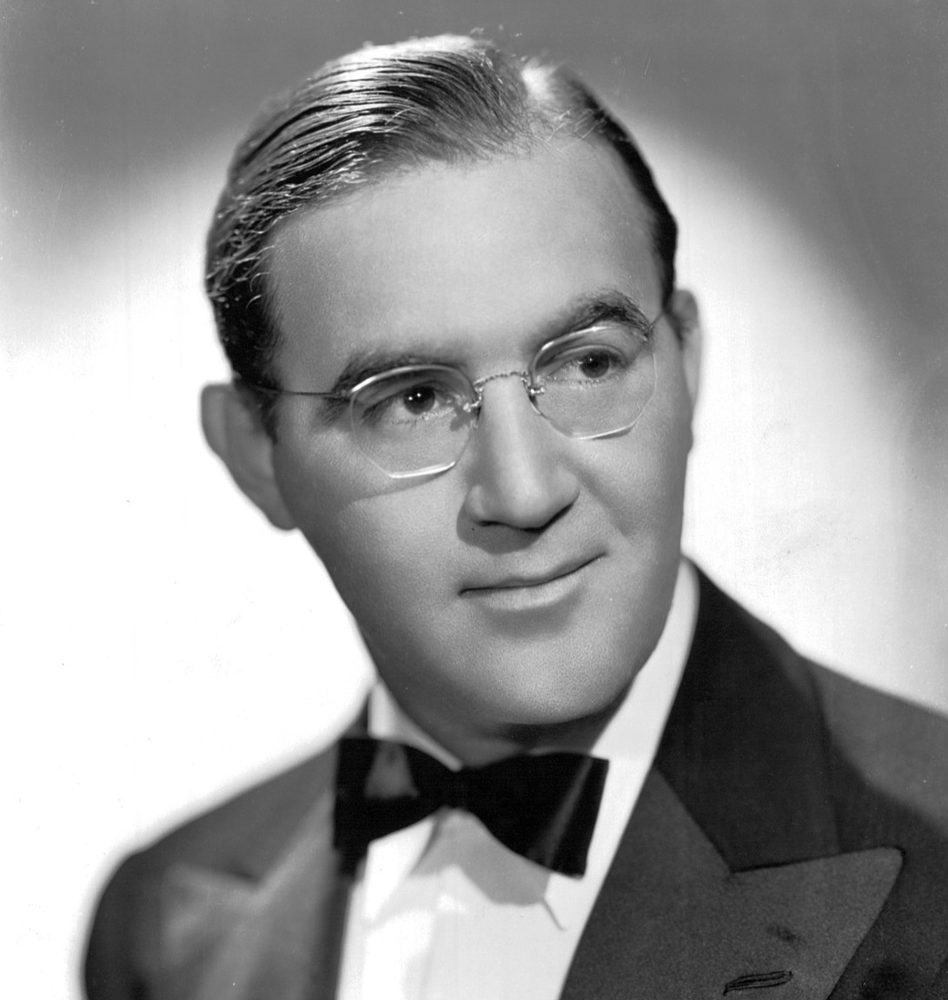
Benny Goodman, studio portrait, 1942
Benny Goodman
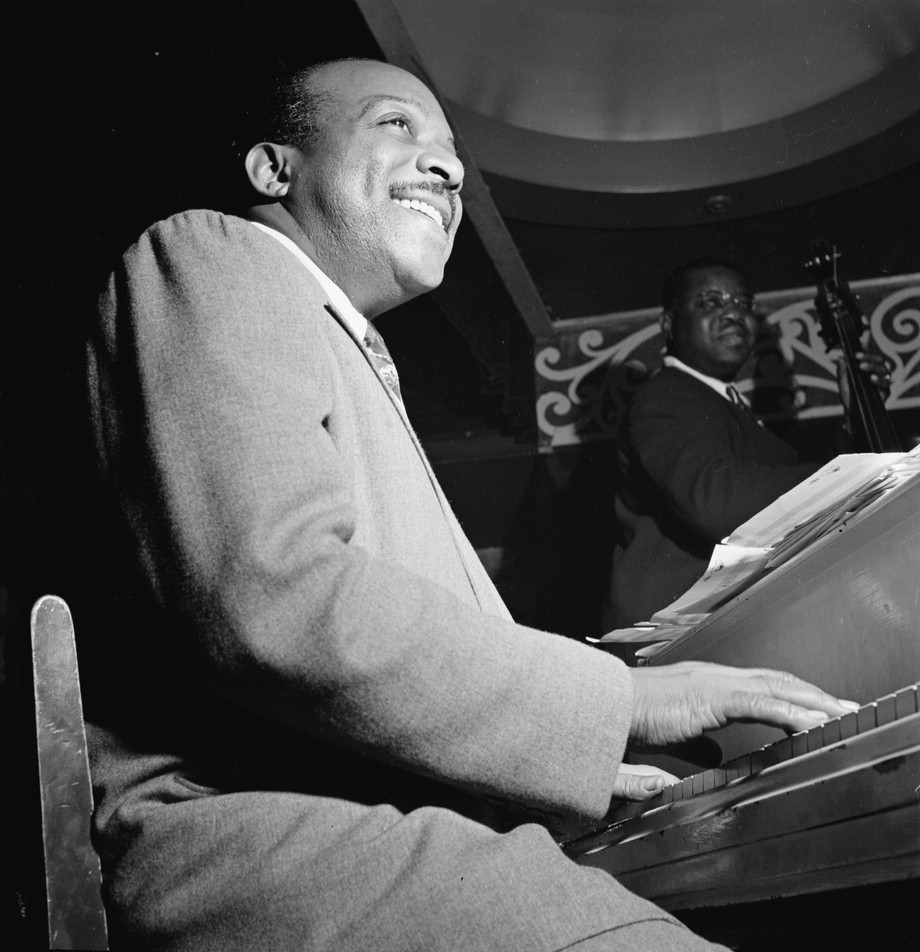
Count Basie smiling at the piano
Count Basie
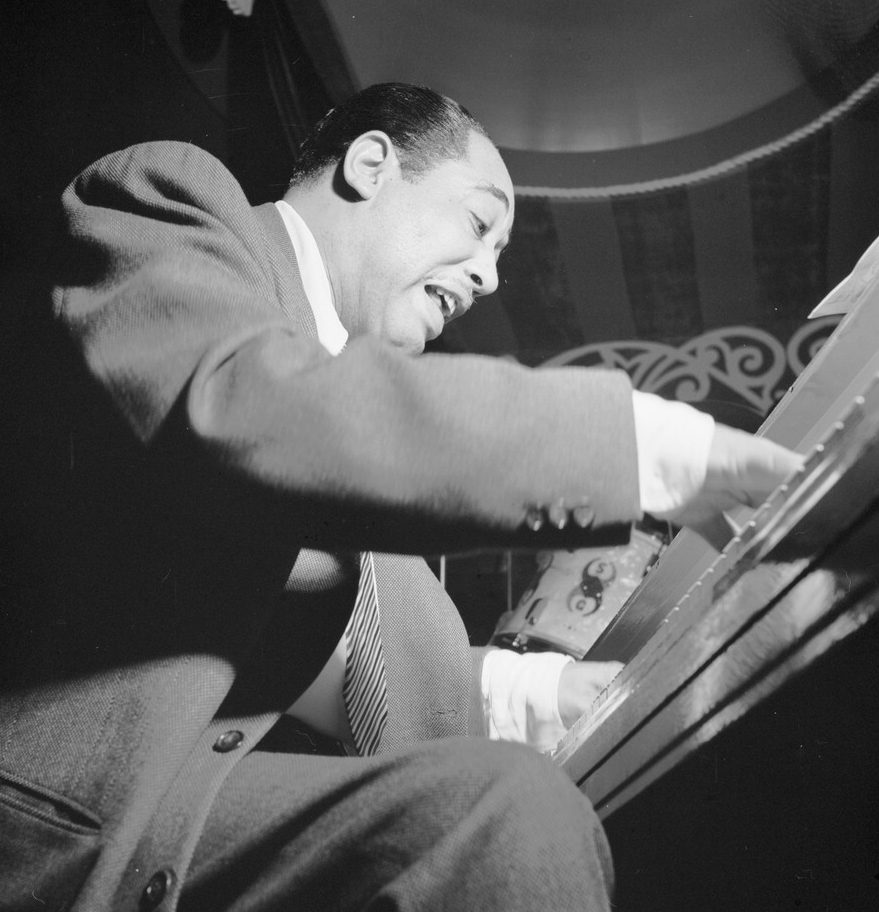
Duke Ellington leaning over the piano
Duke Ellington

Every swing out began in Harlem

From the legends of the Savoy to today’s festivals. Scroll slowly: this story is yours too.

They brought the music. All that was missing was the floor.

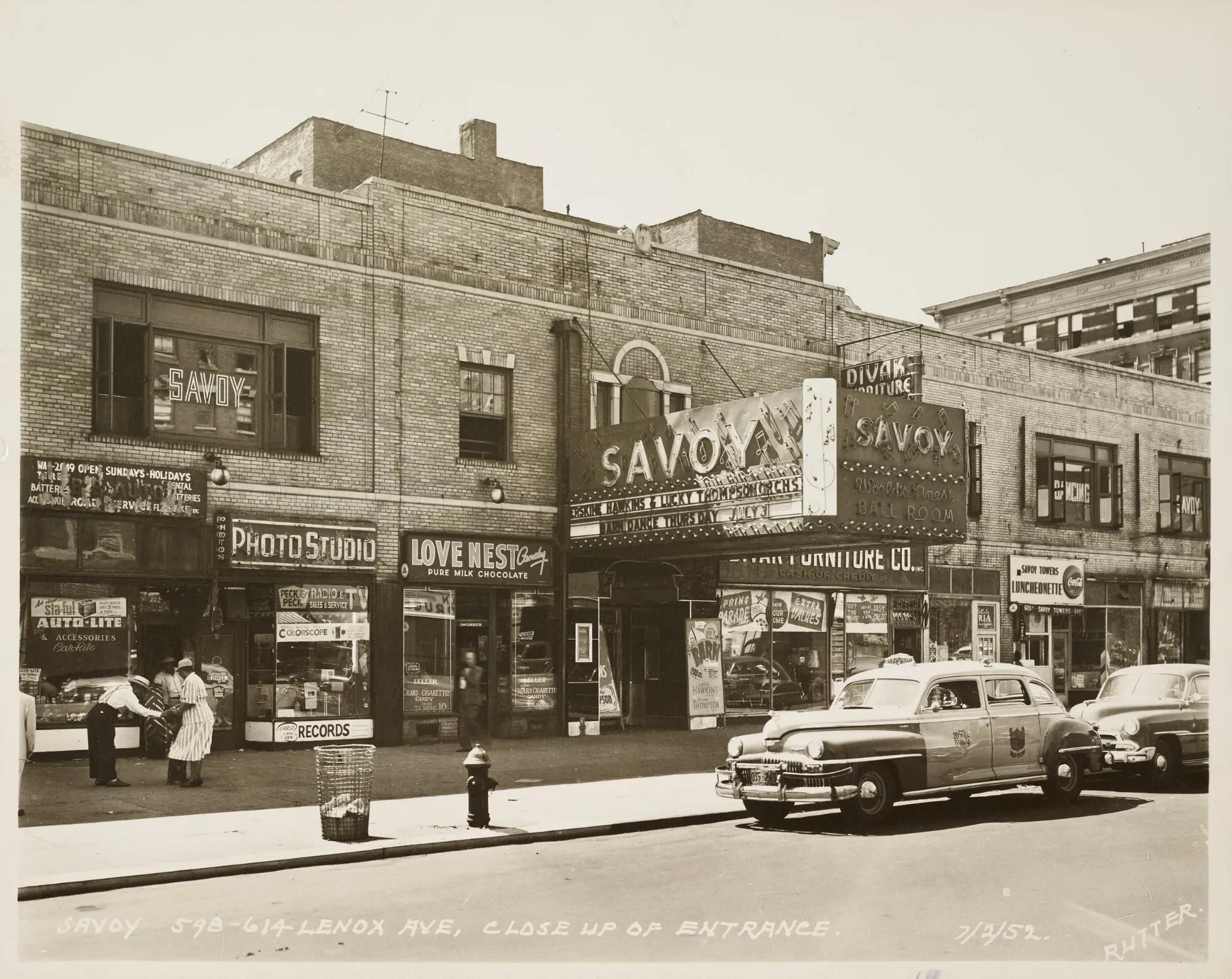
Entrance of the Savoy Ballroom on Lenox Avenue, Harlem, in 1952
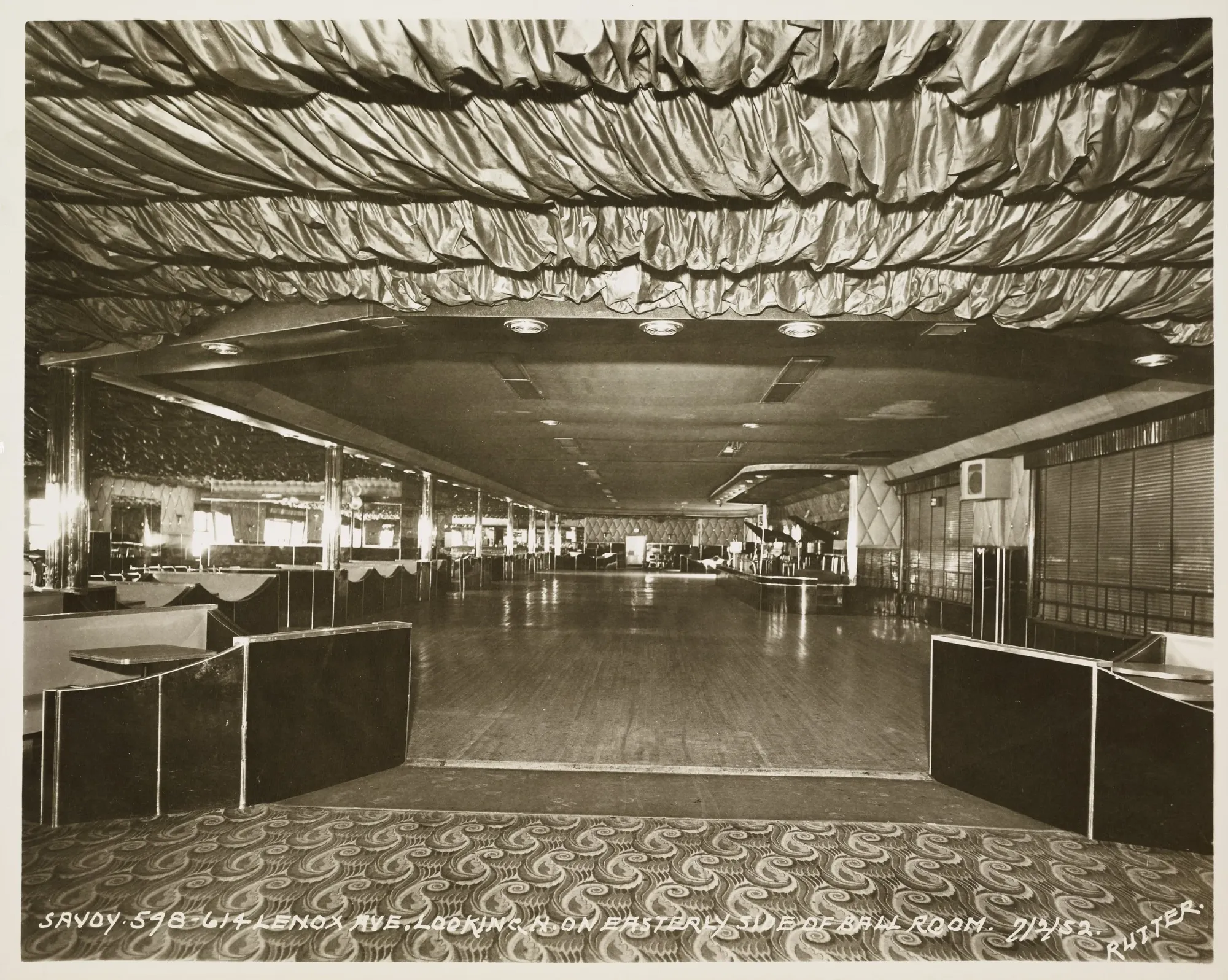
The empty Savoy Ballroom, looking toward the far end of the dance floor, in 1952

March 12, 1926

The Savoy Ballroom had two bandstands: when one orchestra stopped, the other started. The music never stopped, and neither did the dancing.

How it all began and how it spread

A neighborhood dance that, within fifteen years, had reached Hollywood, Europe and the cover of Life. Tap each wave.

4.000people fit inside the Savoy
2.000were left outside on opening night, according to the New York Age
15.000danced on Bradhurst Avenue in 1935
7months touring Europe for two Savoy couples (1935–1936), according to Norma Miller
32years of music, from 1926 to 1958
1928

Born of a blend

The Lindy Hop brings together what was already danced in Harlem: jazz, tap, breakaway and Charleston. In 1928, at a dance marathon at the Manhattan Casino (later the Rockland Palace), Shorty George Snowden and Mattie Purnell caught the eye with a new breakaway; as Snowden told it years later, it came about almost by accident.

Context

Tune in to the story

Turn the dial: from the night the Savoy opened to today’s festivals, year by year. It plays on its own, but you can stop it and choose.

The legends

What they invented on that floor is still in your feet

Four moments you can spot at any social dance today.

1928

Shorty George and Mattie Purnell, at the marathon

At a 1928 dance marathon, Shorty George Snowden and Mattie Purnell shaped what was soon called the Lindy Hop. The Shorty George step still bears his name.

Open profile
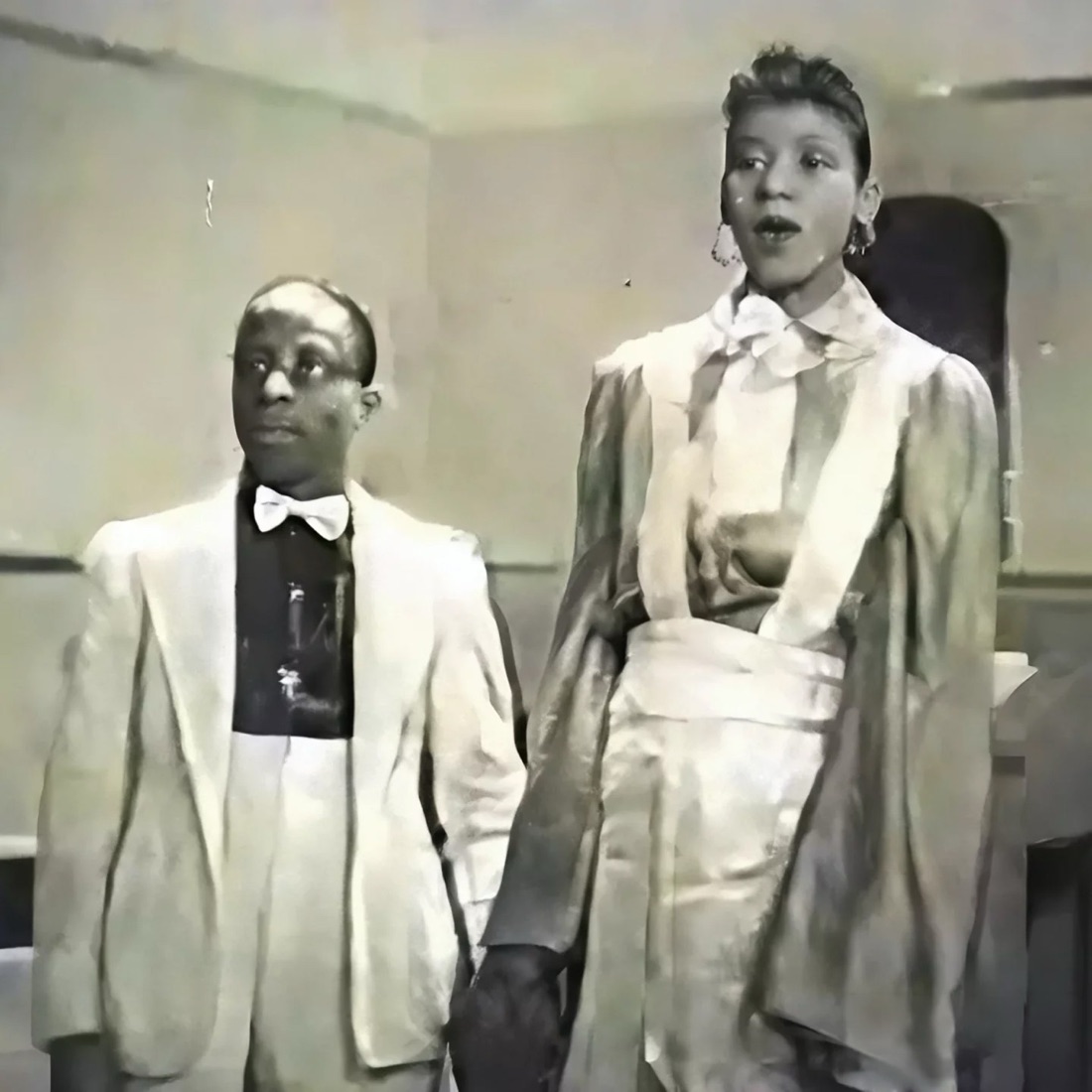
Shorty George Snowden, short and wearing a white bow tie, next to his dance partner
After Seben (1929)
Shorty George Snowden with his dance partner. Inset: dancing in After Seben (1929).
1935

Frankie Manning takes flight

As he told it, at a Savoy contest in the mid-1930s he flipped Frieda Washington over his back while Chick Webb’s band played “Down South Camp Meeting”. He remembered it as the Lindy’s first air step; some historians cite earlier ones.

Open profile
Frankie Manning smiling, in 2008
Killer Diller (1948)
Frankie Manning in 2008. Inset: the Congaroos, his quartet, in Killer Diller (1948).
1938

The night Webb and Basie faced off

January 16: while Benny Goodman played Carnegie Hall, Chick Webb’s orchestra, with Ella Fitzgerald, battled Count Basie’s at the Savoy.

Open Chick Webb’s profile
Count Basie at the piano in Stage Door Canteen, 1943.
1941

Norma Miller flies in Hellzapoppin’

The “Queen of Swing” grew up with her windows open onto the Savoy. In Hellzapoppin’ she’s the cook who goes flying with Whitey’s Lindy Hoppers.

Watch the scene on YouTube   Open profile
Norma Miller sings at Seattle’s Century Ballroom, 2009
Stage Door Canteen (1943)
Norma Miller in 2009. Inset: how people danced in 1943, in Stage Door Canteen.

The dances

One pulse, many dances

What was born in Harlem didn’t stay put: it travelled, changed its music and its name. Tap a dance on the tree to see where it comes from, how it sounds and who made it great.

160 bpm

Tempos are a rough guide: it’s how each style tends to be danced today. Roots with no tempo stay lit. Solid line: comes from that dance. Dotted line: borrowed something from it.

Root: the traditions everything grows from.

Style: a dance you improvise with its own vocabulary of steps.

Routine: a set choreography, with its own song, that everyone dances the same way at the same time.

Swipe the tree sideways to see all of it.

Find your dance

Three quick questions and we’ll tell you which dance to start with.

How do you like to dance?
How fast?
What are you after?

Who danced them at the Savoy? Find their names on the poster.

Style

Dress to dance

Nobody hit the Savoy floor dressed any old way. Open the wardrobe, cut out, dress the window and take it dancing: the floor will tell you if your outfit survives a swing out.

Period looks

Floor test

Dance
Floor

1943

No stockings, just a steady hand

During the war, stockings were almost impossible to find. Many women painted their legs brown and drew the seam on. Paint first, then draw the line from the heel upwards on each leg, without a shaky hand. When you finish, you’ll see a real seam to compare.

A young woman tries liquid stockings in a Brisbane shop, September 1941
Brisbane, 1941: liquid stockings in a shop.
Lee Celledoni dancing the jitterbug in 1947, arms spread wide
Lee Celledoni, the “best woman jitterbug”, in 1947.
A couple dances the jitterbug in the middle of the floor in front of a crowd, Oakland, 1940
Oakland (California), 1940: a spontaneous jitterbug in the middle of the floor.

* Sources and photo credits for this section are at the foot of the page.

Tonight at the Savoy

More than thirty names: who danced, who played and who opened the doors. Pick one and step into their story.

Listed by the year of their key moment: the same one you’ll see large on their profile. It isn’t the year they were born.

Lenox Avenue, Harlem. Two bandstands, nonstop music

The films that told the story

Who played on the bandstand and who danced on the floor. This is how Harlem’s Lindy traveled to the rest of the world.

Scene from After Seben (1929)

1929

After Seben

A Paramount short featuring a dance contest in Harlem: it’s considered one of the earliest filmed records of Lindy Hop.

On the bandstand
Chick Webb’s orchestra.
On the floor
Three Savoy couples; the last, Shorty George Snowden with his partner.

The short includes blackface numbers typical of its time. Here we show only the dancing.

Find it on YouTube
Scene from Black and Tan (1929)

1929

Black and Tan

An RKO short in which Duke Ellington’s orchestra plays from start to finish.

On the bandstand
Duke Ellington and his orchestra, the Cotton Club band.
On the floor
Fredi Washington, in her film debut, as a dancer.
Find it on YouTube
A Day at the Races trailer (1937)

1937

A Day at the Races

A Marx Brothers film for MGM, featuring the number “All God’s Chillun Got Rhythm.”

On the bandstand
Ivie Anderson, the singer with Duke Ellington’s orchestra.
On the floor
Whitey’s Lindy Hoppers, in their film debut.

The choreographer, Dave Gould, was nominated for an Oscar for this number.

Find it on YouTube
Poster for Jittering Jitterbugs, 1943, with a dancer and the cast on a stage

1939

Keep Punching

Its dance scenes were rereleased in 1943 as the short Jittering Jitterbugs, the one on the poster.

On the floor
The Whitey’s Lindy Hoppers, billed as Arthur White’s Lindy Hoppers, with the Big Apple choreographed by Frankie Manning.
Find it on YouTube
Scene from Hellzapoppin’ (1941)

1941

Hellzapoppin’

The most famous Lindy scene in film: leaps, slides, kicks, splits and aerials.

On the bandstand
Slim & Slam: Slim Gaillard and Slam Stewart.
On the floor
Whitey’s Lindy Hoppers, among them Frankie Manning, Norma Miller and Al Minns.
Find it on YouTube
Scene from Jam Session (1942)

1942

Jam Session

A soundie: a musical short made for jukeboxes with screens. It’s preserved by the Library of Congress.

On the bandstand
Duke Ellington with Ray Nance, Rex Stewart, Ben Webster, Joe Nanton, Barney Bigard and Sonny Greer.
Find it on YouTube
Scene from Stage Door Canteen (1943)

1943

Stage Door Canteen

A morale-boosting film for the troops, set in the New York club where soldiers danced before shipping out. It’s in the public domain.

On the bandstand
Count Basie and his orchestra with Ethel Waters; Benny Goodman and his orchestra with Peggy Lee.
On the floor
Soldiers and women volunteers dancing the jitterbug.
Watch the full film on Internet Archive
Scene from Killer Diller (1948)

1948

Killer Diller

A musical revue with an African American cast. It’s in the public domain.

On the floor
The Congaroos, the two-couple quartet Frankie Manning formed in 1947 after coming home from the war.
Watch the full film on Internet Archive
Scene from Hi-De-Ho (1947)

1947

Hi-De-Ho

A feature film with an African American cast, starring Cab Calloway.

On the bandstand
Cab Calloway and his orchestra.
On the floor
The Miller Brothers & Lois, with their tap dancing.
Find it on YouTube

Find out more

The swing bookshelf

The books, documentaries and podcasts that tell this story best, from the people who lived it and those who researched it. Some are in Spanish, and some are for kids.

No phone in their pocket

In 1935, no one filmed the dance floor. This is how a dancer got famous back then, and how it would happen today.

How did people find out?

The dance floor

You were seen by whoever was in the room that night: at the Savoy, up to 4,000 people.

Took: That night
Word of mouth

What happened at the Savoy was passed along on Harlem street corners and at the next night of dancing.

Took: Days
Contests

The Harvest Moon Ball, the Daily News contest, put the Savoy dancers in front of a big audience from 1935. Ed Sullivan was its master of ceremonies.

Took: Once a year
Radio and records

Radio carried the bands across the country: the crowd at the Palomar, in Los Angeles, already knew Benny Goodman from Let’s Dance, an NBC program.

Took: Weeks
The press and photography

Newspapers like the New York Age and magazines like Life. William P. Gottlieb borrowed a press camera to illustrate his jazz column.

Took: Weeks
The movies

Newsreels before the film, Hollywood and, from 1940, soundies: three-minute music shorts on some 5,000 jukeboxes with screens.

Took: Months or years

How an aerial travels

In 1935Ready
  1. That nightAs Frankie Manning told it, he and Frieda Washington launch an air step at a Savoy contest. Only those in the room see it.
  2. Days laterWord spreads around Harlem and other dancers try to copy it on the floor.
  3. 1935In 1937, Manning’s group takes the air steps to Paris, London and Dublin.
  4. 1937A Day at the Races puts the air steps in cinemas across the country.
Today, with a phoneReady
  1. 0 secondsSomeone films it on their phone from the edge of the floor.
  2. MinutesIt’s already on Instagram and in the festival group chats.
  3. HoursDancers in other countries are talking about it.
  4. The next dayThey’re practicing it in classes in other cities.

What if they’d had a phone?

What wasn’t filmed nearly vanished.

For decades, the Lindy survived in a few minutes of film and in the memory of those who danced it. In the 1980s, dancers from London, Stockholm and California travelled to New York to find the Savoy veterans: the films were not enough.

Off the dance floor

The museum of the dance floor

Swing wasn’t danced in a bubble: laws, wars and racism decided who could dance, where and with whom. Walk through the gallery: ten objects, their story and what’s left today. With an audio guide.

    PLAY ▶ 0:00:00 REC ●
    A swing out, Lindy’s basic step, at the 2026 Brussels Lindy Hop Exchange.

    Rewind

    The dance faded away. And it came back.

    When swing went out of fashion, the Lindy lost its big dance floors, but it did not disappear: in New York, veterans such as Mama Lu Parks, Al Minns and Norma Miller kept it going. In the 1980s it was brought back at the same time, and with paths crossing, by dancers from New York, London, Stockholm and California. In 1986 Frankie Manning started teaching again, and never stopped.

    REC ● BACK ON THE FLOOR

    Living legends

    Still on the floor

    They danced at the Savoy, brought the Lindy back to the world, or carry it from festival to festival today. And the bands that keep those festivals dancing. Swipe the cards, flip them over and build the line-up of your dream festival.

    Who teaches todayAll the teachersThe festival teachers and where they will teach Who plays todayAll the bandsThe festival bands and orchestras, genre by genre

    A Social Swing idea

    Leave your nest

    Always dancing with the same people, in the same places, is comfortable. But the Lindy came back to life the other way round: when dancers from London, Stockholm and California crossed the ocean to dance with people they didn’t know.

    Where are you dancing this month?

    • You listen better
    • You adapt more
    • You find out what you know (and what you don’t)
    • Your dancing comes alive

    6different partners

    1way of dancing

    Each dot is someone you dance with. In the middle, you.

    Less comfort zone, more curiosity. That’s where progress begins.

    Lepanke, Social Swing

    New York, 1986. At the Cat Club, London’s Jiving Lindy Hoppers, Erin Stevens and Steven Mitchell from California, and Sylvia Sykes and Jonathan Bixby from Santa Barbara dance together. As Frankie Manning remembered it, they discovered that people were bringing swing back in different places.

    A nighttime social dance at a Lindy Hop camp in 2023, with a packed floor

    A social dance at a Lindy camp, 2023.

    Today

    Today the swing out goes around the world

    That Harlem dance floor gave rise to festivals all over the planet. Social Swing is the community that brings them together: you find where to dance, save festivals and see what happened at them.

    Find your next festival

    The directory of swing festivals, with the dates you care about.

    Search festivals

    Watch it on Social Swing TV

    Festival videos, dance clips, interviews and playlists.

    Watch Social Swing TV

    A worldwide community

    WhatsApp and Telegram channels, a Facebook group and an email newsletter.

    Join Social Swing

    For organizers

    Your festival could be the next chapter

    You send us your festival’s Reels and information, ready to publish. We coordinate the promotion on Instagram, Facebook and our community, even if we can’t attend.

    −80 %Off the launch price, until 27 December and only for the first 10 festivals on each pack.

    Before the festival

    Spotlight

    Put your festival on the map

    −80 %19,80 €99 €

    80% off the launch price. One-off payment, taxes included.

    • 15 Reels on Instagram and Facebook
    • 15 stories, one per Reel
    • Featured festival on Browse Festivals
    • 1 announcement on WhatsApp, Telegram and Facebook
    • 1 email blast and 1 optional giveaway
    Choose Spotlight
    Recommended

    Growth

    Boost your pass sales

    −80 %49,80 €249 €

    80% off the launch price. One-off payment, taxes included.

    • 30 Reels on Instagram and Facebook
    • 30 stories, one per Reel
    • Featured festival on Browse Festivals
    • 2 announcements on WhatsApp, Telegram and Facebook
    • 1 email blast and optional giveaways
    Choose Growth
    Before, during and after

    Campaign

    With you through your whole festival

    −80 %89,80 €449 €

    80% off the launch price. One-off payment, taxes included.

    • Unlimited Reels and stories during the agreed period
    • 1 blog post about your festival
    • Featured festival on Browse Festivals
    • 2 announcements on WhatsApp, Telegram and Facebook
    • 1 email blast and optional giveaways
    Choose Campaign

    Other ways to hit the floor

    Free

    Directory listing

    Your festival’s standard listing on Browse Festivals is free, subject to review.

    Add my festival for free
    In person

    Juan Carlos and Beatriz at your festival

    They film, edit and publish original content with you. Tell us what you can cover and we’ll put together a proposal.

    Request an in-person proposal
    Custom

    A different schedule, more content

    We agree on quantities, channels and budget before we start.

    Write to partners@socialswing.blog

    Make your festival the next legend

    In 1926, all it took was a dance floor in Harlem. Today, your festival can reach dancers all over the world.

    Before you pay, tell us who you are

    That way we know which festival the payment is for, and we email you to set the schedule. If you have questions or want to customise the pack, ask us first.

    Payment is made on Revolut, in a new tab. The question opens WhatsApp with your message ready; it is only sent when you confirm it.